
Part of a series:
Inside the Specialist Departments
Material innovation in a changing industry
A Conversation with Nilörn’s Material & Innovation Specialist Christina Heines
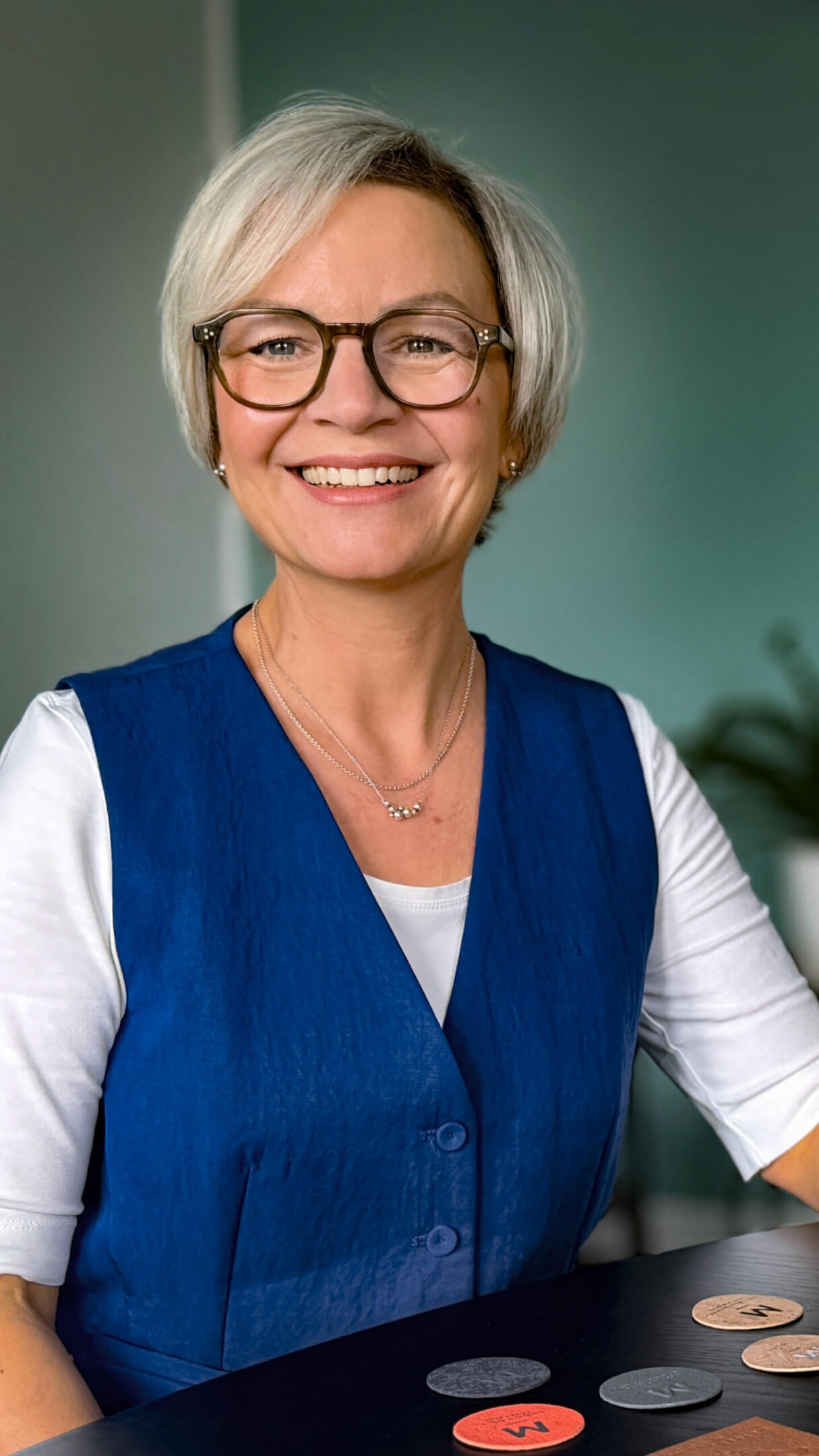
Welcome back to Inside the Specialist Departments, a series that highlights the people and the expertise behind the labels. In this edition, we explore the role of material innovation and how new materials, digitalisation, and evolving legislation are shaping the future of labelling and packaging. We spoke with Christina Heines, Material & Innovation Specialist at Nilörn, about her journey, her role, and why collaboration is essential when bringing new solutions to market.
From fashion design to new material research and product development
With a background in fashion design and experience spanning several creative disciplines, Christina Heines has spent her career exploring different areas of design, branding, and communication. Before joining Nilörn, she worked with accessory development, textile patterns and prints, illustration, and communication design.
“I’ve always been curious about exploring different areas within design, and fashion branding felt like a natural extension of my experience,” Christina explains.
When she joined Nilörn’s German subsidiary in 2014, she became the first designer on site. The role gave her the opportunity to deepen her understanding of fashion branding while taking on new responsibilities within a growing organisation.
“What really attracted me was the chance to actively build the local design function and contribute to Nilörn’s presence in the German market.”
After several years working with creative concept development, Christina transitioned into the role of Material & Innovation Specialist in 2021, focusing on new material research and product development.
Turning innovation into practical solutions
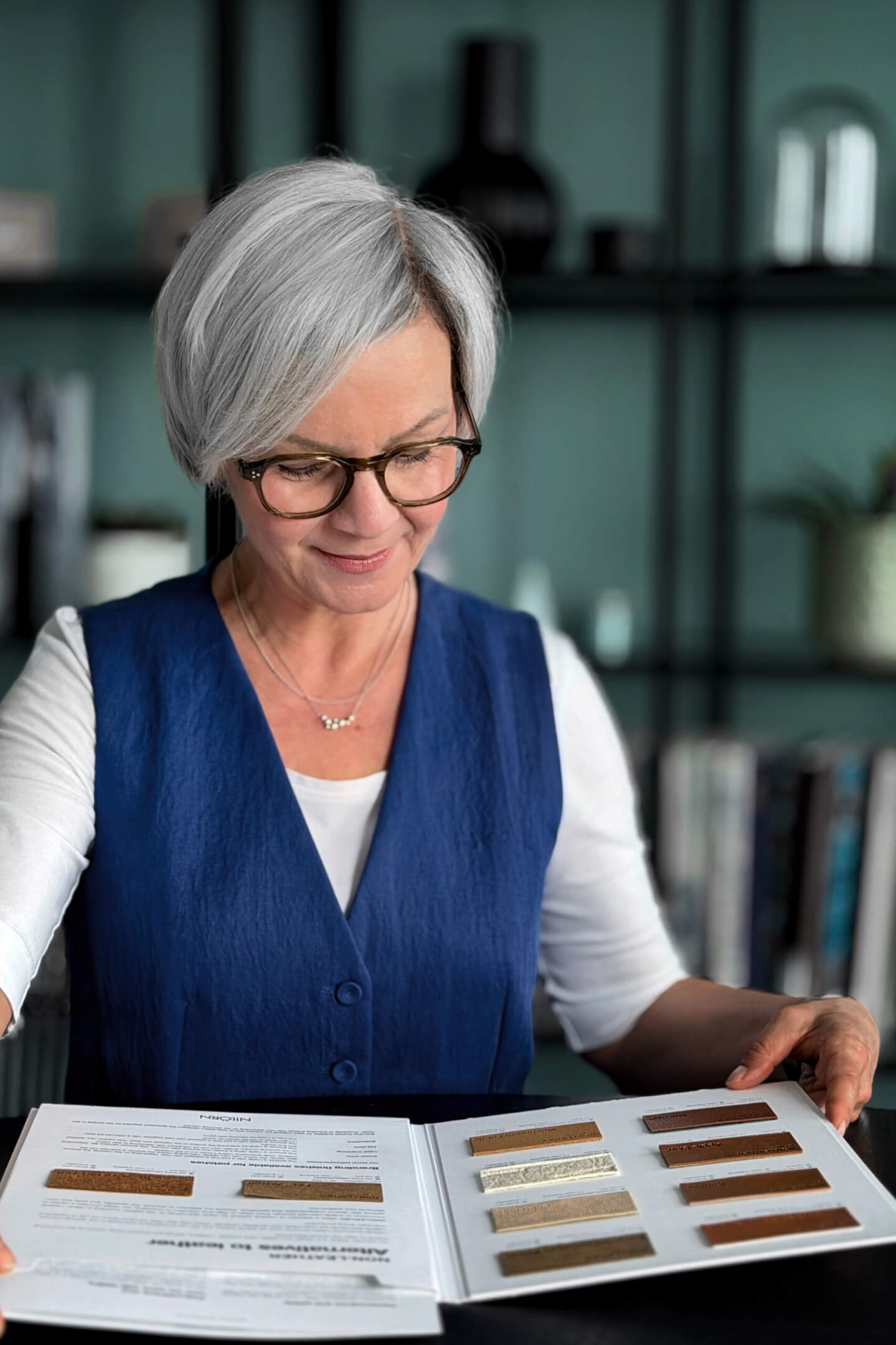
At Nilörn, Christina’s role bridges material innovation and commercial application. Working across departments and functions, she helps identify, evaluate, and introduce new materials that meet both market needs and evolving industry requirements.
“I work closely with our Material Team and Sourcing to identify, test, and evaluate new materials and solutions, assessing their performance, compliance, and suitability for labelling and packaging applications.”
Christina also leads the process of introducing these solutions to the market, collaborating with teams across Marketing, Design, and Sales to ensure that innovations meet both client needs and industry demands.
“This combination allows me to contribute across both innovation and implementation.”
For Christina, the most rewarding part is helping clients make informed decisions in an increasingly complex material landscape.
“Labelling and packaging play a key role in communicating a brand’s identity, values, and commitments. Helping translate material innovations into practical, well-informed decisions can create meaningful and lasting impact.”
Building the foundation for material innovation
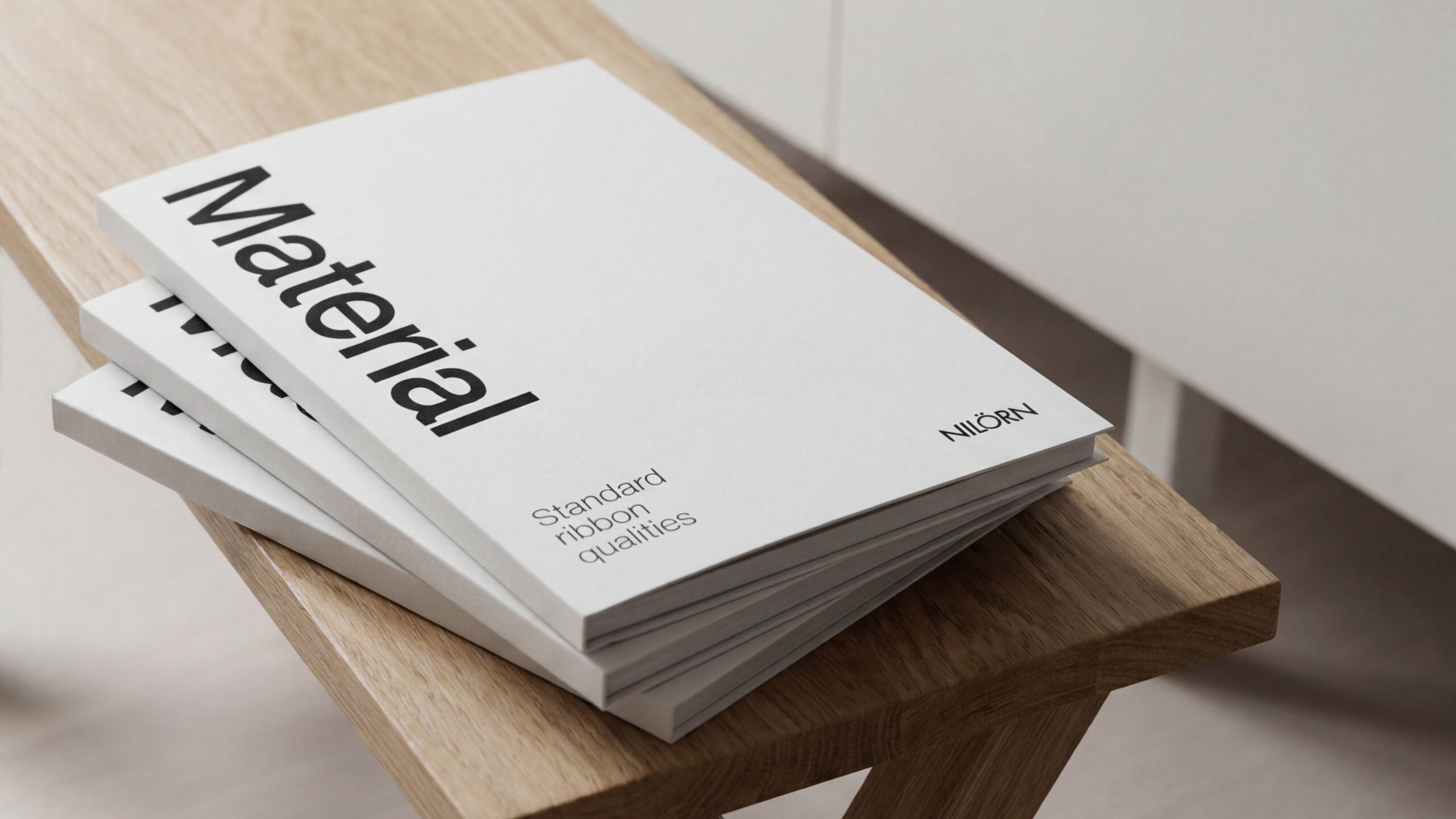
The Material Team was established in 2021, when Christina transitioned into her current role as Material & Innovation Specialist. Since then, the team has focused on developing the processes, tools, and resources needed to support material sourcing and innovation across the organisation.
One of the key developments was the Digital Material Library, which provides access to material data, supporting information, and Nilörn’s Preferred Materials framework.
“These tools form the foundation of our approach to new-material sourcing,” Christina explains.
Over time, the team’s work has evolved to include bringing more preferred materials to market and helping clients find solutions that are both practical and scalable.
In recent years, Christina has also worked more closely with Marketing to help communicate Nilörn’s expertise in materials development and make this knowledge more accessible to clients and other stakeholders.


Regulations such as the EU Green Claims Directive and the Digital Product Passport are driving demand for traceable and verifiable material data.
What trends are shaping the future of materials?
Like many areas of the textile industry, materials development is being shaped by increasing demands for sustainability, transparency, and traceability.
“This impacts both how we source materials and how we communicate about them,” Christina says.
At the same time, circularity and ecodesign are becoming increasingly important considerations when developing new solutions.
“There is a stronger focus on circularity and ecodesign, requiring us to balance our ambitions with functionality and performance.”
As more renewable and recyclable materials continue to emerge, Christina believes the key challenge lies in identifying which innovations can create real value and be successfully implemented at scale.
“It is essential to critically assess which innovations are relevant, scalable, and suitable for our applications.”
Collaboration in practice
Adapting to changing legislation, sustainability goals, and digitalisation requires close collaboration across the organisation. Christina regularly works with colleagues from Sustainability, CSR, Compliance, Marketing, Design, and Sales to ensure that material strategies remain aligned with both client needs and evolving industry requirements.
“We typically work in cross-functional groups formed around specific projects or focus areas. This allows us to bring together expertise from different disciplines to develop integrated solutions.”
Digitalisation is also becoming increasingly important in enabling traceability and transparency. Christina sees significant potential in digital tools that support product development and improve how material data is managed and communicated.
As many of Nilörn’s teams work across different regions, maintaining strong relationships remains an important part of successful collaboration.
“Maintaining regular personal exchange alongside structured collaboration is essential to build strong and supportive working relationships.”
Bringing next-generation materials to life
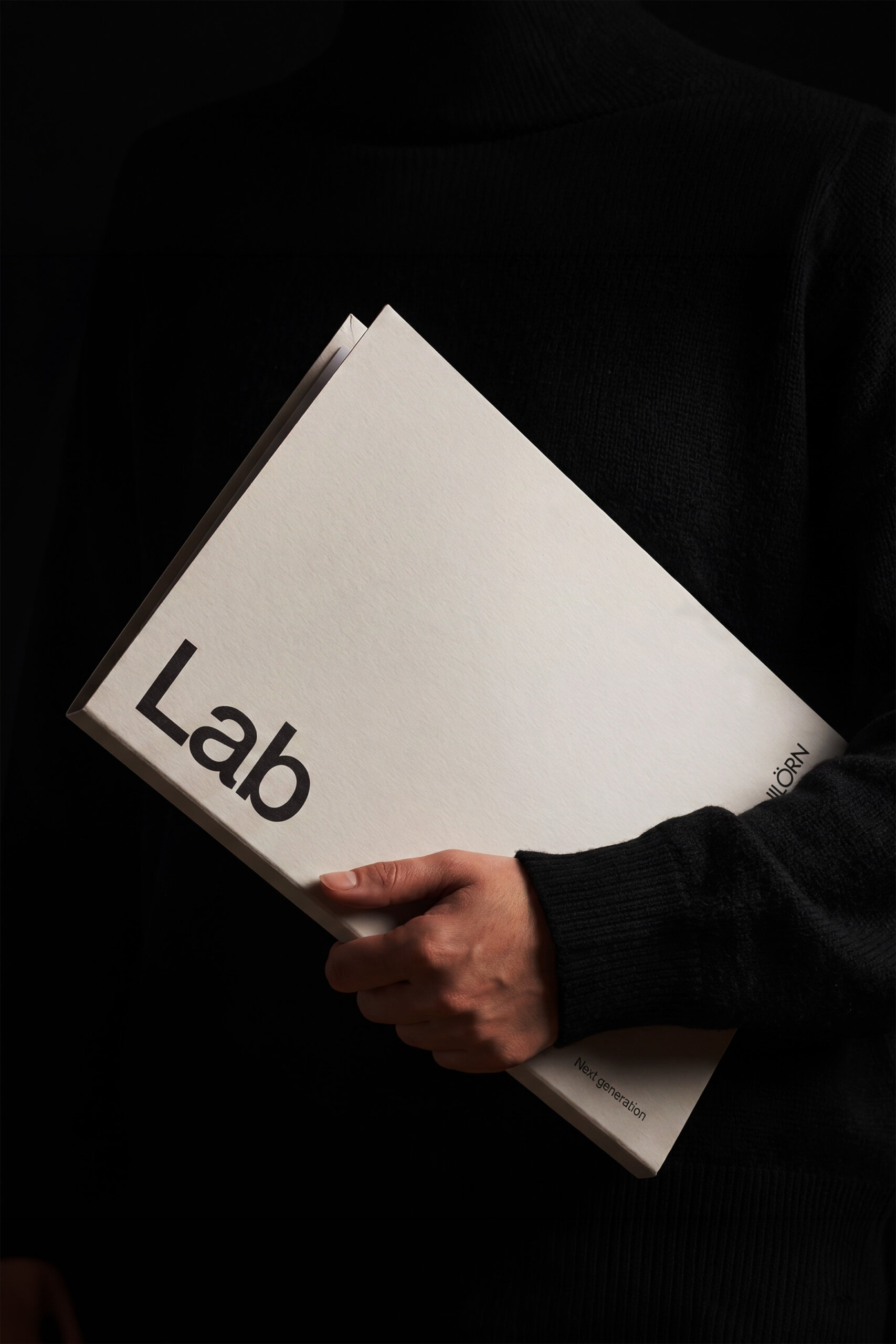
One project that exemplifies this collaborative approach is Nilörn Lab, a recently launched initiative developed together with the Marketing Team.
While Nilörn’s Design Collections have traditionally showcased material directions, Nilörn Lab was created to give greater visibility to emerging materials and the opportunities they bring to the industry.
“It acts as a design-led tool to explore and present new materials transparently, with a clear focus on their readiness for client projects,” Christina explains.
Rather than simply presenting new materials, Nilörn Lab evaluates them through a structured approach that considers performance, compliance, application potential, availability, and scalability.
“For our clients, this supports decisions that are not only informed, but also realistic to implement within their supply chains,” she says.
“Innovation only becomes relevant once it can be applied in a reliable and scalable way.”
As the materials landscape continues to evolve, Christina believes that strong relationships will remain essential in turning new ideas into meaningful change.
“Whether it’s working with colleagues or external partners, open and respectful communication is something I really care about. For me, sustainable progress goes far beyond materials or innovation – it is about building trust and long-term relationships.”
This article is part of our series spotlighting Nilörn’s specialist departments. Join us next time as we continue exploring the expertise and people driving innovation across Nilörn.